Roofing, windows and solar work as a team. Plan them together and your home can feel quieter, brighter and steadier, with less effort across the seasons.
Treat the roof as the quiet guardian
A roof rarely asks for attention when it is doing well, which is exactly the point. Sound covering, tidy flashing, clear drainage and timely repairs protect insulation, wiring, solar equipment and every room beneath.
When planning other work, look up early. It is wasteful to perfect interiors beneath a roof that needs care, and solar decisions depend on roof direction, condition and remaining life.
- Deal with leaks and drainage before they spread
- Coordinate roofing and solar in the same conversation
- Keep access and future maintenance in mind
Windows set the volume of a home
Replacement windows change more than the view. Seals, frames, glazing and placement affect drafts, outside noise, glare, privacy and how flooring and furniture age in sunlight.
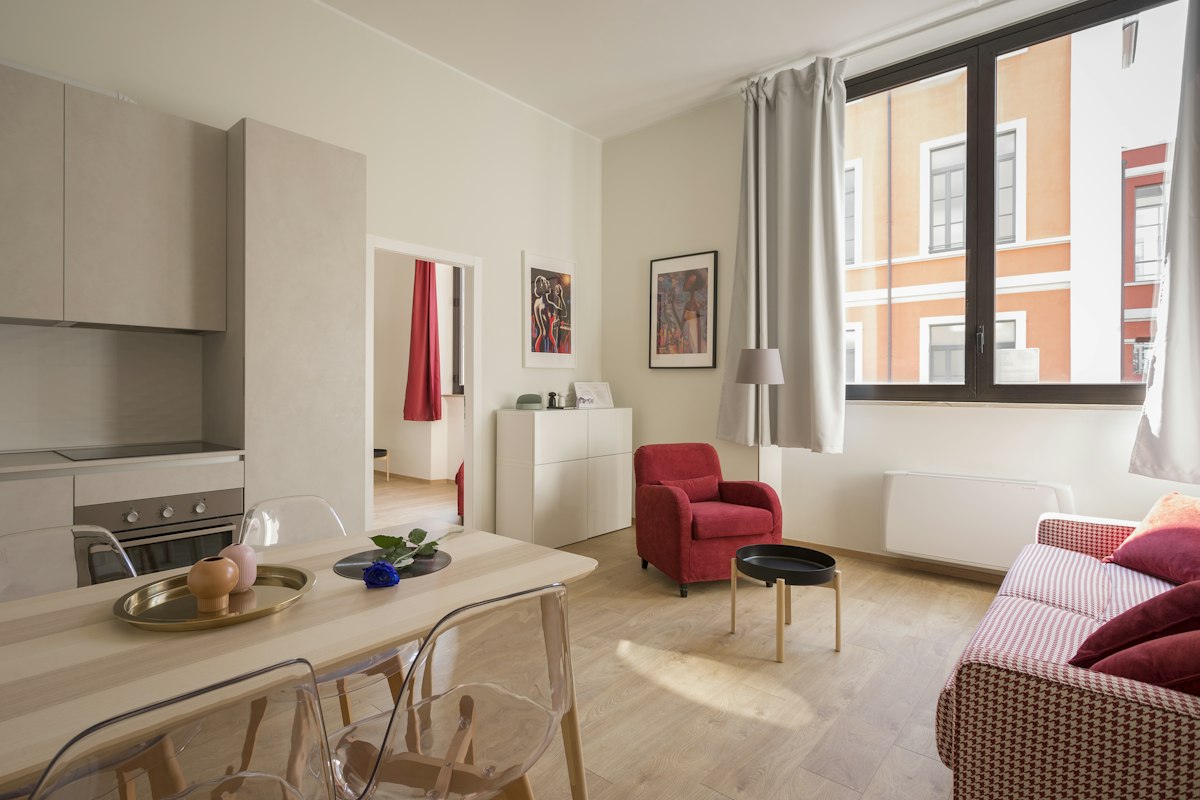
Choose by room. Sleeping spaces may need quiet and shade control. Living spaces may prize daylight and ventilation. Kitchens and bathrooms need fresh air and easy cleaning. A restrained frame style can also support a minimal look indoors and out.
Let solar follow the household, not fashion
Solar works best when it matches roof orientation, shade patterns and the rhythm of energy use at home. A careful survey beats a quick promise, and panel placement can be planned to respect the look of the property.
Keep product, output and warranty documents together, and ask how monitoring, maintenance and future roof work will be handled before you approve a plan.
Sequence the work for less disruption
Roof condition, window installation and solar mounting can intersect around access, weatherproofing and scaffolding. Sequencing them thoughtfully may reduce repeated disruption and help trades coordinate details at edges and penetrations.
Also think inside out. Brighter windows may change flooring choices, while a steadier roof can make attic insulation and ventilation decisions clearer.
A simpler home is a steadier home
Quiet comfort comes from basics that agree with each other: a roof that sheds weather, windows that close out drafts and noise, and solar that turns daylight into useful support.
Minimal Living Home can help you review those elements as a joined plan, alongside security, fire safety and interior updates. Tell us what sounds, leaks, drafts or bills concern you through our contact page.